Calder Hall marks 70 years as Sellafield decommissioning advances
The former nuclear power station’s anniversary comes as dismantling work clears hazards and prepares land for Sellafield’s long-term clean-up mission.
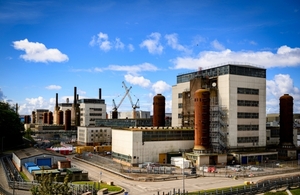
Calder Hall, described by the UK government as the world’s first nuclear power station to provide domestic electricity, has reached its 70th anniversary while decommissioning continues at the Sellafield site. Queen Elizabeth II opened the station in October 1956, placing West Cumbria at the centre of Britain’s early civil nuclear programme.
The plant stopped generating electricity in 2003. Since then, its reactors have been defuelled, major hazards removed and redundant structures dismantled. Sellafield says the work is increasingly moving towards established demolition techniques as radiological risks are reduced.
The objective is not only to remove ageing infrastructure. Clearing buildings releases scarce space for facilities needed in the next phase of Sellafield’s wider clean-up mission. The Nuclear Decommissioning Authority says the programme also sustains specialist skills, supply-chain work and long-term capability needed across the UK nuclear sector.
The anniversary comes as plans develop for Pioneer Park on NDA-owned land outside the Sellafield boundary. The proposal is intended to attract clean-energy technologies, investment and employment, extending the area’s industrial role beyond the operating life of Calder Hall.
Decommissioning remains a long, regulated process, and the anniversary does not mark completion. Progress must be judged through hazard reduction, safe waste management, land release and transparent cost and schedule reporting. Calder Hall’s legacy now rests as much on how responsibly it is dismantled as on its pioneering place in electricity history.