Two captive-bred Great Indian Bustards enter the wild in Rajasthan recovery effort
Sunday's release in Desert National Park takes a breeding programme into its next phase, with long-term recovery still ahead.
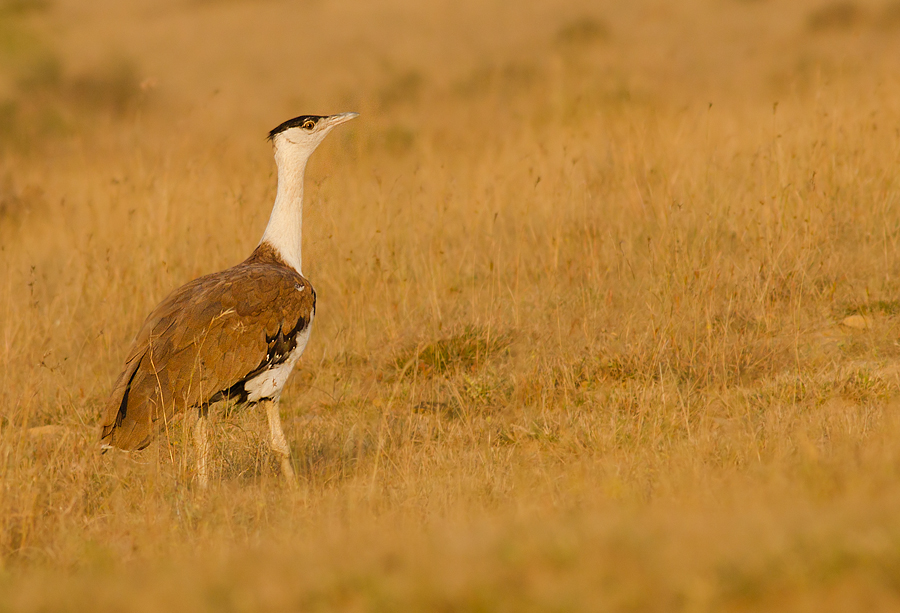
Two male Great Indian Bustards raised in captivity were released into Rajasthan's Desert National Park on Sunday, beginning a new stage in efforts to rebuild the critically endangered bird's wild population. The Indian Express reported the development on October 5.
Environment Minister Bhupender Yadav and Wildlife Institute of India scientists took part in the release. The birds came from a programme centred on breeding facilities at Ramdevra and Sam in Jaisalmer, established to support the species' long-term recovery.
The breeding effort has included artificial incubation of eggs collected from the wild and hand-rearing of chicks since 2019, followed by reproduction in captivity. The report puts the remaining wild population at around 150 birds, underlining the scale of the conservation challenge.
Habitat work accompanies the breeding programme, including fenced grassland enclosures inside the national park. Releasing birds is an important transition, but it is not the same as achieving population recovery. Monitoring their survival and adaptation will help scientists refine future releases and assess whether the programme strengthens the species in its natural habitat.