India begins a new assessment of all 58 tiger reserves
The sixth management review adds a separate waste-management criterion and will examine conservation outcomes.
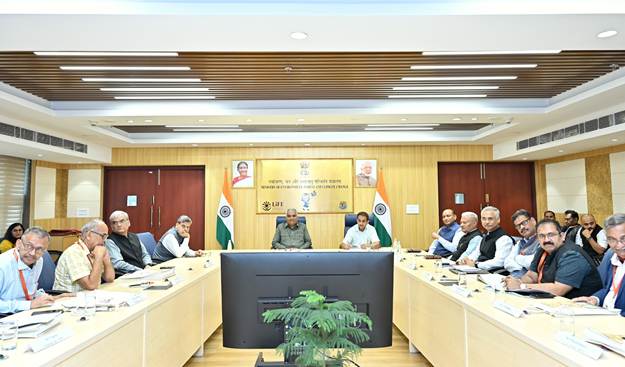
India has begun its sixth cycle of management-effectiveness assessments for tiger reserves, with all 58 reserves included, the Environment Ministry announced on 25 September. The National Tiger Conservation Authority and Wildlife Institute of India are coordinating the exercise.
The review examines how reserves are managed, rather than simply counting tigers. Its framework covers planning, resources, management processes and the results of conservation activity. Independent multidisciplinary teams are expected to identify strengths, gaps and priorities for action.
A new standalone criterion addresses solid-waste management, including waste from tourism, forest outposts and wildlife rescue centres. The wider assessment also considers habitat protection, wildlife health, fire and disaster management, landscape connections and relationships with neighbouring communities.
Five earlier cycles took place between 2006 and 2022, with the number of reserves assessed rising from 28 to 51. The latest announcement launches the next evaluation and its technical manual; it does not publish new scores or establish that management performance has improved. Those conclusions will depend on the assessment findings.